Occasional gagging is a normal part of weaning and learning to manage solid foods. It understandably is worrying to see a child gag with food or drink, and knowing how to support them and when to seek help is an important part of supporting your child with feeding.
What is Gagging?
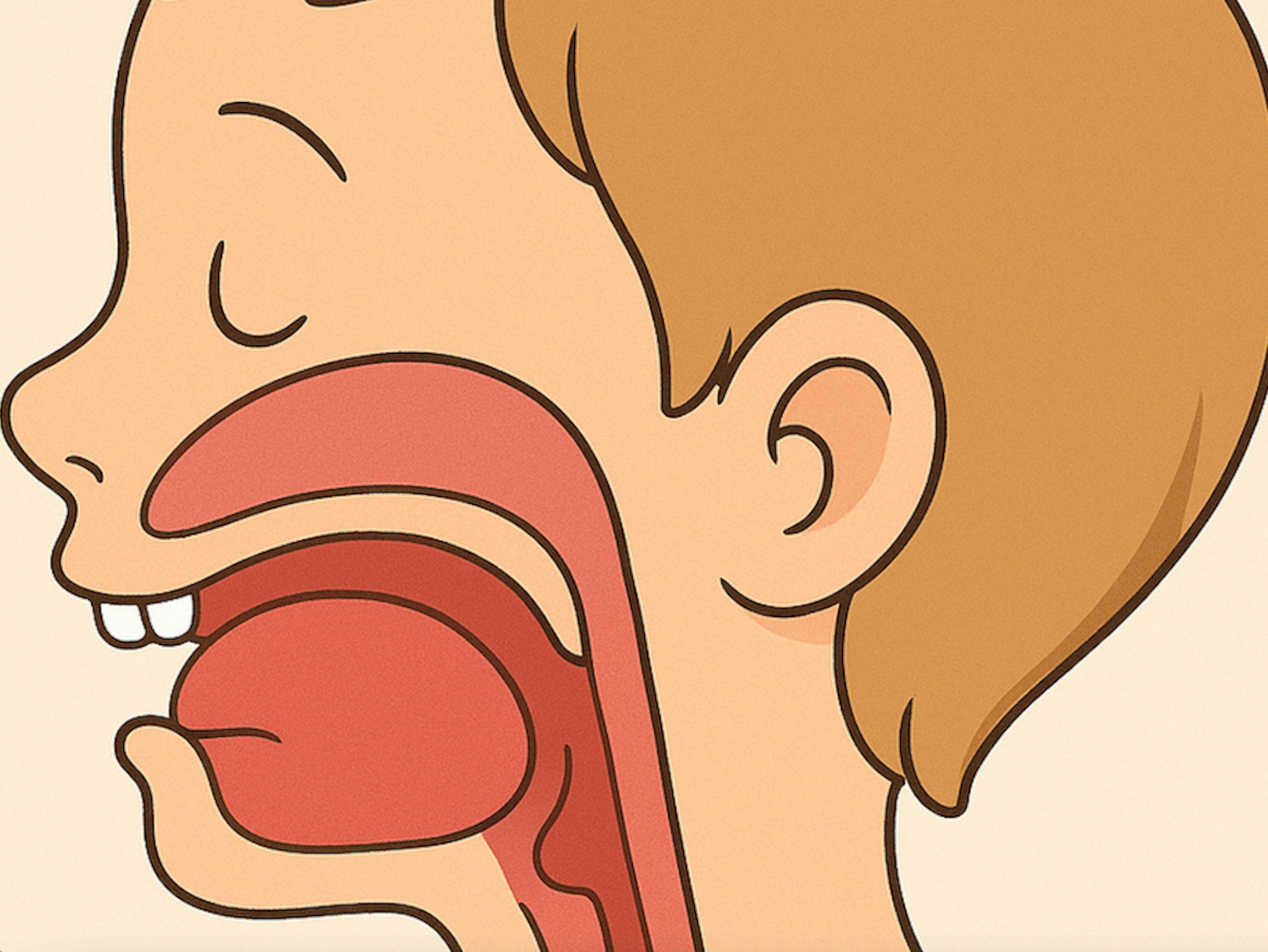
“Gagging is protective reflex that helps prevent choking. When the gag reflex activates, the throat contracts to help push food forward and stops the body from swallowing it. At the same time, the breathing tube closes briefly to prevent anything from going into it.”1
Gagging vs. Choking
| Gagging | Choking |
| Airway is clear | Airway is blocked |
| Face may turn red and eyes water | Skin may start to look blue, particularly around the lips, gums and fingernails. |
| Spluttering, coughing and retching noises | Silent or (sometimes) quiet, high-pitched sounds |
It is important to know the difference between gagging and choking. Babies and children who are gagging need you to remain calm and support them to work through the gag by encouraging them to cough the food out. Do not put your finger in their mouth, this can push the food further in.
While serious choking events are rare, they can happen. Babies and children who are choking, need you to intervene immediately. The best way you can protect your child in the event of choking is to be trained in infant and child CPR and first aid. The South Lakes Speech & Language Therapy Information & Resources Page has links to information about children’s choking and first aid including videos demonstrating what to do in the case of baby and child choking.
When to Seek Help
Although gagging is not usually something about which to be concerned, it is important that if your child regularly gags, coughs or splutters with food or drink, regardless of age, you seek advice from a medical professional and/or seek out a feeding assessment from a speech and language therapist who specialises in children’s feeding. Regular gagging, coughing or spluttering could be a sign that your child needs specific support with their eating, drinking and/or swallowing.
If you have questions about children’s feeding or concerns for your child, please get in touch; and please sign up for the South Lakes Speech & Language Therapy newsletter if you would like future posts sent directly to your inbox.
Please note that this article is for information purposes only and was written with typically developing babies and children in mind. If your child has a medical or developmental condition that puts them at increased risk for feeding issues, please speak with your child’s healthcare provider about any eating, drinking or swallowing concerns.