Baby
-
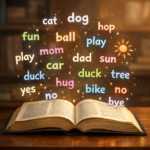
Words are the building blocks of communication! Every time your child learns a new word, they gain another way to understand the world, share their thoughts and feelings, and connect with the people around them. Children need to understand and… Read more
-
Words are the building blocks of communication! Every time your child learns a new word, they gain another way to understand the world, share their thoughts and feelings, and connect with the people around them. Children need to understand and… Read more
-
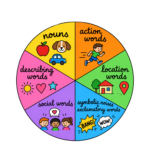
Words are the building blocks of communication! Symbolic noises and exclamatory words are usually a child’s earliest word approximations and count as first words making them an important part of your child’s speech and language journey. So, what are symbolic… Read more
-
Words are the building blocks of communication! Every time your child learns a new word, they gain another way to understand the world, share their thoughts and feelings, and connect with the people around them. As a child nears their… Read more
-
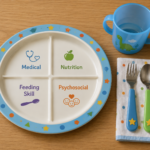
“For… (infants and children with PFD), every bite of food can be painful, scary, or impossible, potentially impeding nutrition, development, growth, and overall well-being.” Mealtimes can be challenging for many families, but when eating or drinking becomes a persistent struggle,… Read more
-
A child’s first word is a huge milestone; and then comes the exciting next step: helping your child put words together to share what they want, see, and think. Below are some easy, practical strategies you can weave into your… Read more
-
Whether you child is just starting therapy or has been working with their therapist for a while, there are some universal truths when it comes to expectations and how to get the best results for your child. Below are seven… Read more
-
Introducing solid food is an exciting time for both parents and babies, and it is important to make sure your baby is ready for all the fun and challenges solid food brings. Most babies born full term are developmentally ready… Read more
-
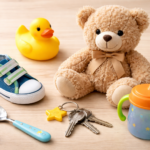
What are Objects of Reference? Objects of reference are objects that can be used to represent an activity, person, place or thing. They stand for something in the way that words do and can support an early communicator’s understanding and… Read more
-
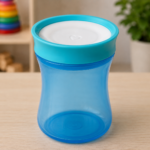
Confused about which cup to choose for your child? There are a lot of options available, and while many make claims about being a step in the progression of feeding development, the truth is, only open cups and straw drinking… Read more

AAC Articulation Attention Baby Communication Communication Top Tips & FAQs Early Communicator Executive Function Expressive Communication Feeding Feeding Top Tips & FAQs Gestalt Language Learning Late Talker Makaton Oral Motor Picky Eating Preschool Age Receptive Communication School Age School Strategies Selective Mutism Sign Language Social Communication Speech Stammering & Stuttering Toddler Visual Communication Aids Weaning