
School Age
-
If mealtimes feel like a negotiation, you are not alone. Studies estimate that anywhere from 6 to 50% of children are picky eaters at some point, most commonly between the ages of two and six; however, for some children, picky… Read more
-
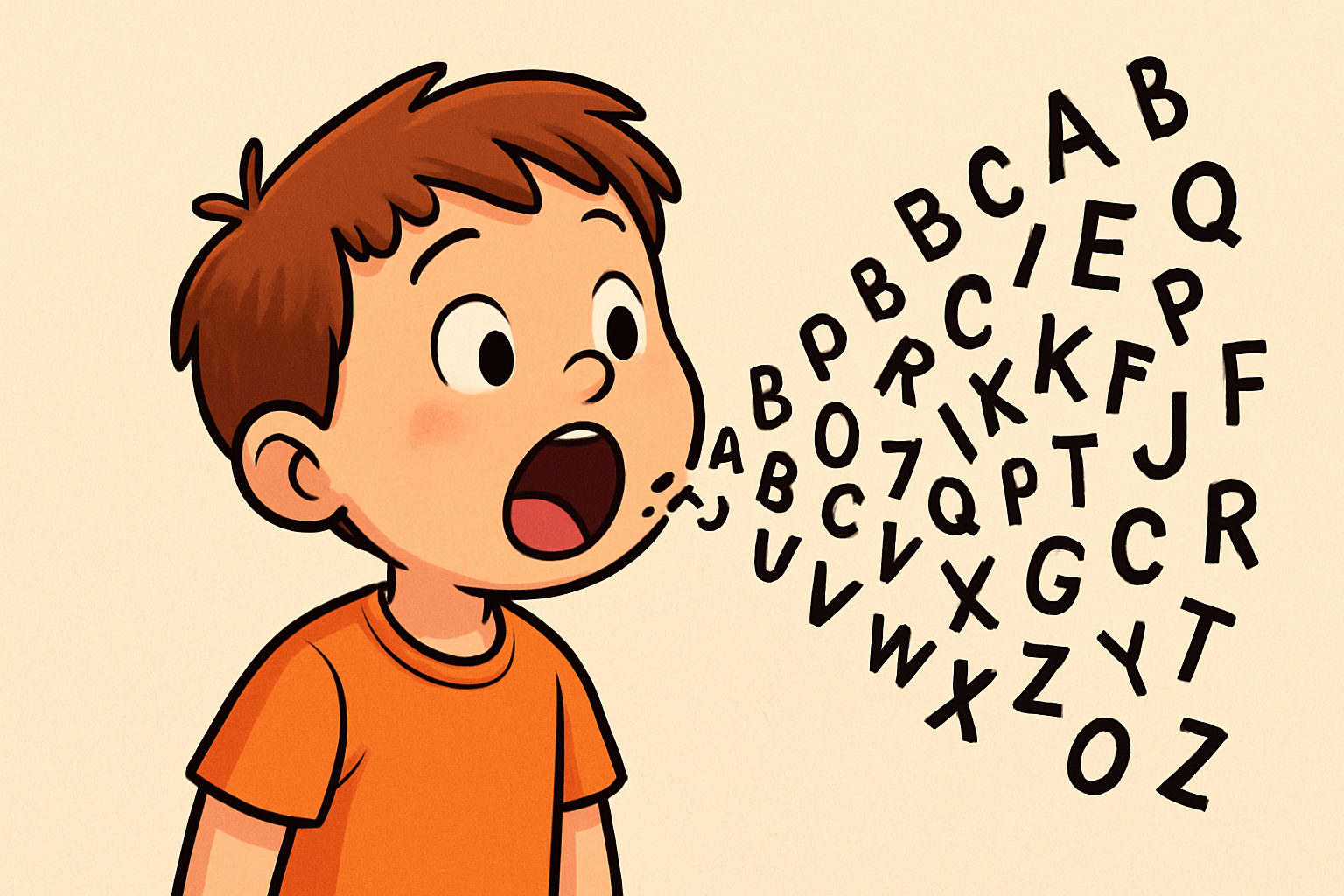
If your child struggles with their speech, you may have come across the terms phonological process and phonological disorder and wondered, ‘What is the difference?’ and ‘Does my child need speech therapy to fix their speech?’. Knowing when a speech… Read more
-
“For… (infants and children with PFD), every bite of food can be painful, scary, or impossible, potentially impeding nutrition, development, growth, and overall well-being.” Mealtimes can be challenging for many families, but when eating or drinking becomes a persistent struggle,… Read more
-
Whether you child is just starting therapy or has been working with their therapist for a while, there are some universal truths when it comes to expectations and how to get the best results for your child. Below are seven… Read more
-
Are you navigating school dinners with a picky eater? For some children time in the school dinner hall is the most challenging part of their school day. Try these tips to make school dinners less stressful and more successful for… Read more
-
Attention and listening skills are the foundation for communication and essential throughout a person’s life. Try the games below for some fun practice with attention and listening skills in the classroom, or adapt these games for use at home! 1.… Read more
-
The warm weather has meant the bananas in our fruit bowl have gone brown faster than we can eat them, so last week my son decided to make banana bread with the ‘bad’ bananas. As a speech, language and feeding… Read more
-
Understanding basic concepts is an important part of language development. It supports a child’s ability to process information, organise their thoughts and solve problems; and understanding basic concepts is key to following instructions in an education setting. One of the… Read more
-
Does your child mispronounce some sounds when speaking? Do you wonder whether their speech is age-appropriate? While there is variability in children’s mastery of speech sounds, there are general guidelines for ages at which most children can pronounce specific sounds… Read more
-
On average, humans swallow nearly 600 times a day; although, it is a process most of us don’t think, or know, much about. However, as a feeding therapist, I spend a good portion of my working week thinking about and… Read more







AAC Articulation Attention Baby Communication Communication Top Tips & FAQs Early Communicator Executive Function Expressive Communication Feeding Feeding Top Tips & FAQs Gestalt Language Learning Late Talker Makaton Oral Motor Picky Eating Preschool Age Receptive Communication School Age School Strategies Selective Mutism Sign Language Social Communication Speech Stammering & Stuttering Toddler Visual Communication Aids Weaning