
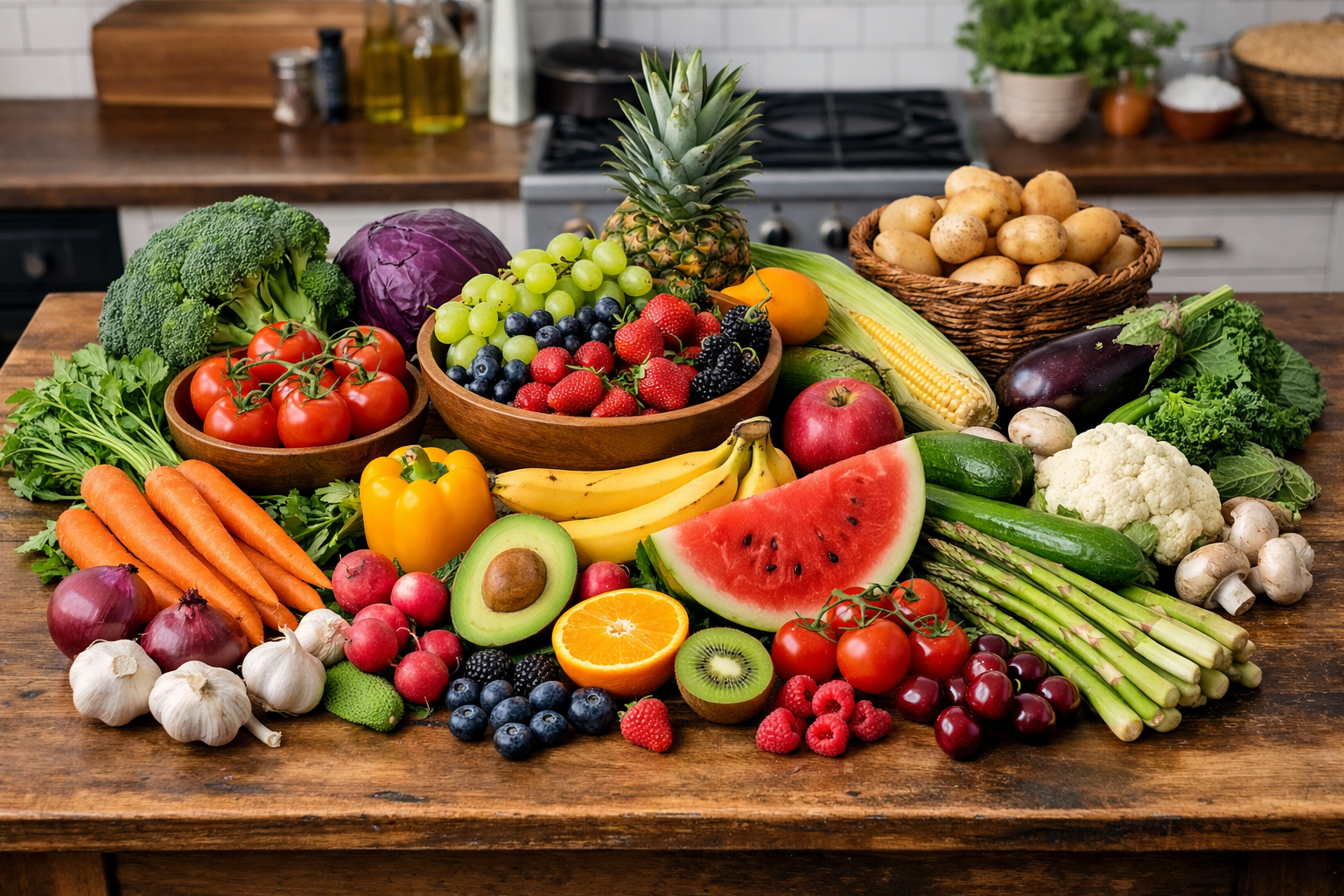
Taste training (sometimes referred to as flavour training) is the practise of exposing your baby to tastes between the ages of 4 and 6 months, before they start weaning. Taste training is not about giving your baby food to practice chewing or swallowing or to satisfy hunger, it is about giving babies the opportunity to taste different flavours before they reach weaning age.
What are the Benefits of Taste Training?
Depending on who you speak with, there are different opinions regarding the benefits of taste training including:
Supporting a baby’s natural interest and curiosity in food1
Current weaning guidelines recommend starting weaning when a baby shows specific developmental signs of readiness and not before 6 months of age; however, there are many babies who start to show an interest in food before 6 months of age. This puts parents in a difficult position, should they say ‘no’ and keep food away from their baby until 6 months of age or take advantage of their baby’s natural interest and curiosity and offer tastes? Advocates of taste training would argue for the latter.
Reducing the possibility of picky eating2 3
Research has found that “It is easier to get new tastes accepted from birth and new complex flavours accepted… between 4 and 6 months (of age).”4 When taste training is used to reduce the possibility of picky eating, the guiding philosophy is that the more flavours a baby is exposed to from a young age, the more flavours they will accept when weaning and beyond.
It is important to note that flavour exposure starts from the time a baby is in utero, and research has demonstrated that “Because arrays of dietary flavours are transmitted from the maternal diet to both amniotic fluid and mothers milk, mothers can get their infants off to a good start by eating a diet rich in healthy foods, both while they are pregnant and while they breastfeed.”5
Increasing a baby and young child’s acceptance of vegetables2 3
Because both amniotic fluid and breast milk tend to contain sweet flavours, babies generally are familiar with sweet tastes. However, vegetables usually are bitter or sour and these flavours are learned through exposure in the diet. Research has found some evidence that breastfed babies, whose mothers consumed a variety of vegetables while breastfeeding, initially demonstrated a greater acceptance of certain vegetables.6
If the aim of taste training is to increase a child’s acceptance of vegetables, the emphasis of taste training is to introduce babies to tastes of vegetables prior to weaning age. We know that children can need 15 to 20 food exposures before accepting a food. With this in mind, the belief is that early exposure to vegetable flavours through taste training gives more opportunities for babies to experience bitter and sour flavours and increases the likelihood that a baby will eat these flavours when they start weaning.
Reducing the risk of food allergies7 8
Research has found that the likelihood of food allergies developing is greatest when babies who are at an increased risk for food allergies are introduced to common food allergens after 6 months of age.9 The two factors that indicate a baby may be at an an increased risk for food allergies are:
- eczema (especially severe cases)
- an existing food allergy
If your baby is at an increased risk of food allergies, your health care provider may recommend introducing common allergens before your baby is developmentally ready to wean. This type of introduction usually starts as taste training and the volume of allergenic food offered may gradually increase as guided by your baby’s healthcare provider.
It is important to speak with your health care provider about weaning if your baby is at an increased risk of food allergies. There is a specific framework from BSACI (The British Society for Allergy and Clinical Immunology) to follow when introducing babies and children to allergenic foods and it is important you recognise the signs of food allergy and know what to do if your child shows signs of an allergic reaction.
Taste Training with Your Baby
Taste training is different from weaning. The aim of taste training is to offer a small flavour of a food, not a volume of food that your baby swallows. (If you are doing taste training to reduce the risk of food allergies, speak with your healthcare provider about an appropriate volume of taste to offer as it can vary compared to the amount offered when taste training for other reasons).
Ways to offer tastes of flavours to your baby include:
- Rubbing your baby’s teething toy on an exposed fruit or vegetable so the teether is flavoured by the juice (e.g. apple, pineapple, mango, cucumber, etc.) or on a piece of cooked, unsalted meat (e.g. steak, pork chop, chicken, etc.).
- Rubbing a parent’s finger on a piece of food then offering baby your finger to taste.
- Letting baby touch your solid food and flavour their own hands, then suck on their hands.
- Offering a small smear of puree to baby’s lips or allowing them to taste a small smear of puree from your finger.
If you have questions about children’s feeding or concerns for your child, please get in touch; and please sign up for the South Lakes Speech & Language Therapy newsletter if you would like future posts sent directly to your inbox.
Please note that this article is for information purposes only and was written with typically developing babies in mind. If your baby has a medical or developmental condition that puts them at increased risk for feeding issues, please speak with your baby’s healthcare provider about any eating, drinking or swallowing concerns or changes you plan to make to their feeding routine.
- Marsha Dunn Klein, The Get Permission Institute ↩︎
- Kids Eat in Color ↩︎
- The Nourished Child ↩︎
- Harris G, Mason S. Are There Sensitive Periods for Food Acceptance in Infancy? ↩︎
- Mennella JA. Ontogeny of taste preferences: basic biology and implications for health. ↩︎
- Mennella JA, Daniels LM, Reiter AR. Learning to like vegetables during breastfeeding: a randomized clinical trial of lactating mothers and infants. ↩︎
- Solid Starts ↩︎
- BSACI: Preventing Food Allergy in Your Baby ↩︎
- Roberts G, Bahnson HT, Du Toit G, O’Rourke C, Sever ML, Brittain E, Plaut M, Lack G. Defining the window of opportunity and target populations to prevent peanut allergy. ↩︎