Communication
-
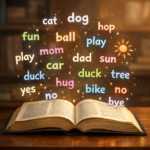
Words are the building blocks of communication! Every time your child learns a new word, they gain another way to understand the world, share their thoughts and feelings, and connect with the people around them. Children need to understand and… Read more
-
Words are the building blocks of communication! Every time your child learns a new word, they gain another way to understand the world, share their thoughts and feelings, and connect with the people around them. Children need to understand and… Read more
-
What is a Late Talker? “A ‘Late Talker’ is a toddler (typically between 18-30 months) who has limited spoken vocabulary for their age, while having a good understanding of language, typically developing play skills, motor skills, thinking skills, and social… Read more
-
Words are the building blocks of communication! Symbolic noises and exclamatory words are usually a child’s earliest word approximations and count as first words making them an important part of your child’s speech and language journey. So, what are symbolic… Read more
-
Words are the building blocks of communication! Every time your child learns a new word, they gain another way to understand the world, share their thoughts and feelings, and connect with the people around them. As a child nears their… Read more
-
If your child struggles with their speech, you may have come across the terms phonological process and phonological disorder and wondered, ‘What is the difference?’ and ‘Does my child need speech therapy to fix their speech?’. Knowing when a speech… Read more
-
A child’s first word is a huge milestone; and then comes the exciting next step: helping your child put words together to share what they want, see, and think. Below are some easy, practical strategies you can weave into your… Read more
-
Whether you child is just starting therapy or has been working with their therapist for a while, there are some universal truths when it comes to expectations and how to get the best results for your child. Below are seven… Read more
-
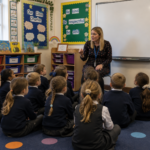
Attention and listening skills are the foundation for communication and essential throughout a person’s life. Try the games below for some fun practice with attention and listening skills in the classroom, or adapt these games for use at home! 1.… Read more
-
The warm weather has meant the bananas in our fruit bowl have gone brown faster than we can eat them, so last week my son decided to make banana bread with the ‘bad’ bananas. As a speech, language and feeding… Read more


AAC Articulation Attention Baby Communication Communication Top Tips & FAQs Early Communicator Executive Function Expressive Communication Feeding Feeding Top Tips & FAQs Gestalt Language Learning Late Talker Makaton Oral Motor Picky Eating Preschool Age Receptive Communication School Age School Strategies Selective Mutism Sign Language Social Communication Speech Stammering & Stuttering Toddler Visual Communication Aids Weaning