
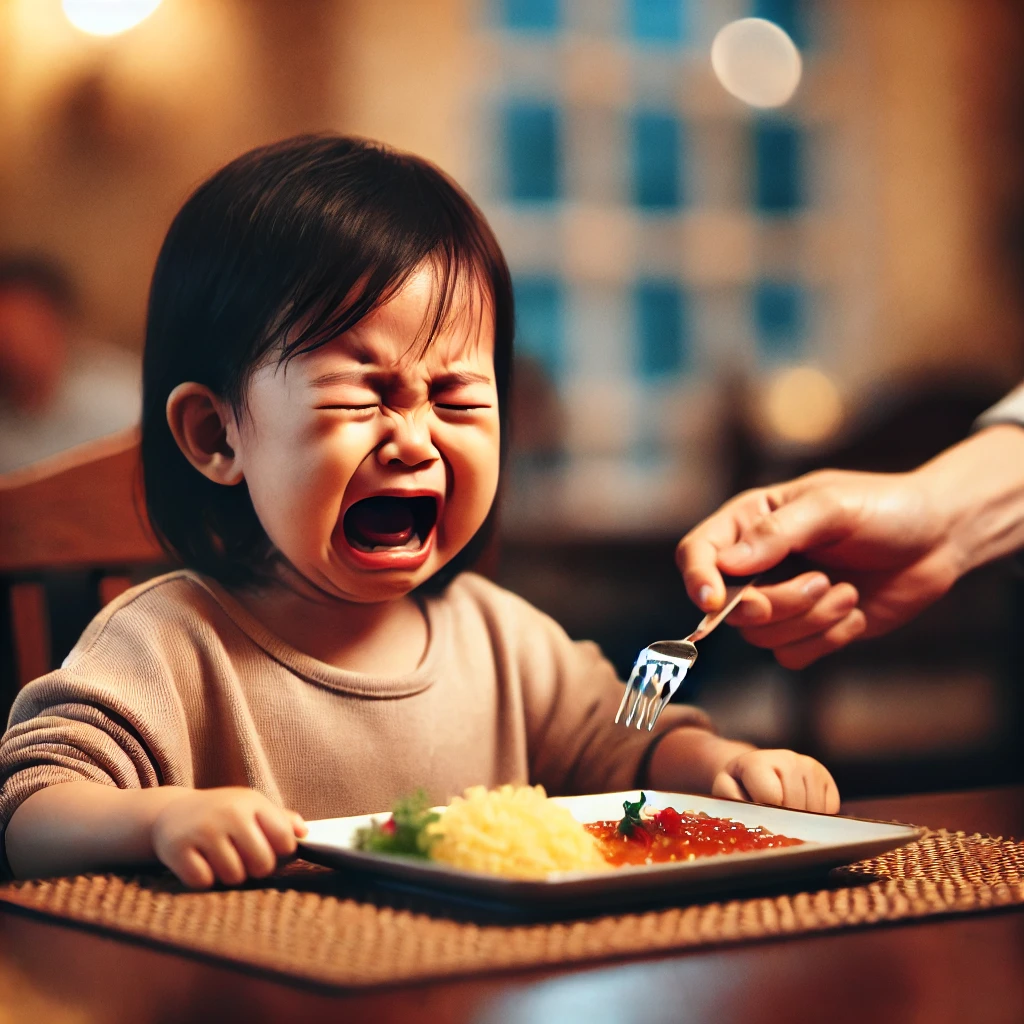
Picky eating and feeding aversion are often confused, but they are distinct challenges; and understanding the differences between picky eating and feeding aversion is essential for identifying appropriate support and intervention strategies.
What is Picky Eating?
Although there is no universally agreed upon definition of picky eating, there are common themes in the literature including:
- An unwillingness to try new foods.
- Eating a limited number of foods, especially vegetables.
- Strong food preferences and requesting special preparation of foods.
In its mildest form, picky eating can be a phase that children move through and ‘recover’ from without intervention. Mild picky eating is not disruptive to family meals and does not impact on a child’s growth or nutrition. Children who are picky eaters, feel hungry and want to eat; they will not refuse food to the point of starving themselves.
In its most severe form however, picky eating can have a significant impact on family mealtimes as well as a child’s growth and nutrition. When picky eating is severe, we need to consider whether it is better described as a feeding aversion.
What is Feeding Aversion?
A feeding aversion is a more pronounced food refusal and typically involves a strong emotional or physical response to certain foods and food textures. It is more commonly seen in children with a history of a medical condition that has caused pain when eating, children with sensory system differences or dysregulation, children with difficulty coordinating eating and breathing, and children who have or had oral motor impairments making it difficult to manage certain textures.
Children with feeding aversion do not necessarily feel hunger cues in the same way as others and are not motivated to eat; they are at risk of refusing food to the point of starvation.
Children most at risk for feeding aversion include:
- Children Born Premature
- Children with a history of Cardiac Problems from Infancy
- Children with a history of Significant Reflux
- Children with a history of Aspiration or Swallowing Problems
- Children with Medical Conditions associated with differences in Muscle Functioning, such as Down Syndrome.
- Children with Sensory Differences including Children with Autism
Picky Eating vs. Feeding Aversion: Why it Matters
Anytime a child is eating less than required to meet their nutritional needs, it matters. The ‘old school’ belief that a child will eat when they are hungry, does not hold true for children with feeding aversion and in fact, is an extremely dangerous approach to managing feeding aversion.
Children with feeding aversion need to have a thorough assessment by a paediatric feeding therapist to determine contributing factors, make onward referrals if needed, and determine the most appropriate treatment. In some cases, a child with feeding aversion may benefit from medical management. They may also need texture modification alongside specific oral motor work to support development of oral motor skills. Most children with feeding aversion will also need support from their parents and caregivers around external mealtime factors to help them feel secure at mealtimes and decrease anxiety around food.
If a child is a picky eater and their eating pattern is worrying the parent and/or creating stress at family mealtimes, they too will benefit from an assessment by a paediatric feeding therapist. Although there may be underlying influences that need medical management, it is more likely that treatment for a picky eater will focus on parent and caregiver coaching around external mealtime factors including how and what food is offered as well as mealtime routines and expectations. Supporting parents of picky eaters with specific mealtime strategies is the best way to help a picky eater become more adventurous with their food.
When to Seek Help
If you suspect your child has a feeding aversion or your child’s picky eating is impacting on their growth, nutrition or family mealtimes, seek support from a paediatric feeding therapist. If you feel unsure about the severity of your child’s picky eating, there are clear Red Flags that indicate specialist support is needed.
We always recommend seeking help as soon as possible. Appropriate assessment and treatment can make a big difference in a child’s feeding journey; and it is easier to change a child’s relationship with food and mealtimes when they are in the earlier stages of feeding challenges versus when the feeding difficulties are entrenched.
If you have questions about feeding your child or feeding therapy with South Lakes Speech & Language Therapy, please get in touch. Follow us on Facebook for more speech, language and feeding tips and sign up for South Lakes Speech & Language Therapy’s newsletter if you would like new posts sent directly to your inbox.